All Categories
Featured

A Practical Digital Transformation Playbook in 2026
Table of Contents
ChatGPT bypassed lots of conventional early adoption hurdles by being complimentary, instinctive, and immediately impactful for individual and expert use. ChatGPT's public release in November 2022 drew tech enthusiasts, early adopters, and curious users.
ChatGPT went beyond 100 million regular monthly active users in January 2023, just 2 months after its launch. Widespread adoption across markets such as client service, content creation, and education. Organizations started embedding ChatGPT APIs into workflows, and innovation business invested capital and resources into AI-focused R&D projects, expanding its reach. More comprehensive adoption in non-tech sectors, with AI tools integrated into everyday service and consumer tools.
Adoption by those skeptical of AI or unknown with its usage cases. Increasingly ubiquitous in background systems (e.g., wise assistants, apps). Social issues over AI replacing tasks or producing misinformation developed resistance. Users had to find out how to take advantage of AI tools effectively and how they could contextually use them to drive value for distinct usage cases.
Freemium models significantly accelerate adoption by getting rid of barriers to entry. Clear communication about ethical and safe usage can ease skepticism. Quick adoption requires continuous education to make the most of worth and address misunderstandings. The world modifications at a speeding up speed while mankind adapts continuously. This develops a space between digital innovation capabilities and the human ability to utilize those abilities, which is growing and accelerating.
Why Can Enterprises Scale Innovation Output?
The customers in the first group are visionaries, and the latter are pragmatists. A critical stage in the technology adoption lifecycle is when brand-new technology is being used by early adopters rather than by the early majority. The "chasm" refers to the space in between the early adopter and early majority sectors.
To cross the chasm, a business needs to establish a method that attends to the issues of the early bulk and encourages them to embrace the item. Persuading the early bulk to embrace the item involves building a polished and trusted item with a marketing message stressing the technology's practical benefits.
This will assist produce a referenceable client base. The user experience taken pleasure in by this niche target segment ultimately figures out the word-of-mouth reputation within various segments of the early majority. This credibility is type in choosing if the product will cross the gorge. Only when an innovation successfully crosses the gorge can it achieve mainstream adoption.
Synchronizing IT Efforts to Modern Tech Cycles
Utilize a no-code editor to produce in-app guidance such as Task Lists, Tours, Flows, Field Validations, and Smart Tips that supply contextual support for your employees in the circulation of work. Link your understanding with which overlays on your digital work environment apps and integrates with your knowledge repositories such as your process paperwork, intranet portal, internal wiki, Google Drive, LMS, and more.
Self Help can supply conversational genAI-powered answers trained by your internal knowledge and documents. This supports end-users in the flow of work, without leaving the application, driving efficiency and organization outcomes. Analyze adoption and user habits with application analytics that makes it possible for constant procedure enhancement and a data-driven innovation adoption technique.
Managing Big Datasets in AI-Driven R&D Environments28 September, 2023 Contenido redactado por: Enags Major innovations that transform sectors and produce brand-new chances establish in waves mainly marked by several technologies that end up having a significant effect on the economy and on society. The recognition of these waves comes from the work of Joseph Schumpeter, a leading economic expert who focused his research study on organization cycles, the role of development and financial advancement.
Throughout the first wave of innovation, which took location roughly between 1785 and 1830, new technologies were introduced that altered everything. Hydraulic energy was essential in industries that would mark these years, such as the fabrics, paper and iron and steel production industries. The so-called very first Industrial Revolution, which began a few years before this preliminary wave, totally transformed the economy of the time, laying the structures for a system that continues to this day, which changed society permanently.
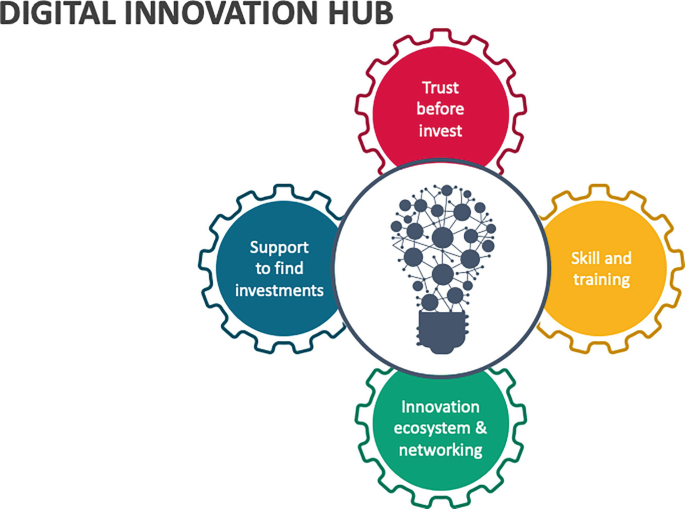
The Ultimate Guide to Architecting 2026 Innovation Hubs
Utilize a no-code editor to produce in-app assistance such as Task Lists, Tours, Flows, Field Validations, and Smart Tips that offer contextual assistance for your staff members in the flow of work. Link your knowledge with which overlays on your digital office apps and integrates with your understanding repositories such as your process paperwork, intranet website, internal wiki, Google Drive, LMS, and more.
Maximizing Strategic Value From Enterprise Innovation Hubs
Self Aid can offer conversational genAI-powered answers trained by your internal understanding and paperwork. This supports end-users in the circulation of work, without leaving the application, driving efficiency and company outcomes. Examine adoption and user habits with application analytics that makes it possible for continuous process enhancement and a data-driven technology adoption strategy.
28 September, 2023 Contenido redactado por: Enags Major innovations that transform sectors and produce new opportunities develop in waves mainly marked by one or more innovations that wind up having a substantial influence on the economy and on society. The identification of these waves stems from the work of Joseph Schumpeter, a leading economic expert who focused his research on organization cycles, the function of innovation and economic development.
During the very first wave of development, which occurred approximately in between 1785 and 1830, new innovations were introduced that changed everything. Hydraulic energy was essential in industries that would mark these years, such as the fabrics, paper and iron and steel production markets. The so-called very first Industrial Revolution, which began a couple of years before this preliminary wave, totally changed the economy of the time, laying the foundations for a system that continues to this day, which transformed society permanently.

Latest Posts

Accelerating Digital Research Workflows for Growth
Future-Proofing Corporate Innovation Models
Will the Innovation Hub Becoming Essential in 2026?